Why Doesn’t My Child Want to Sleep Alone? Reasons and What Parents Can Do
Sleep & Evening Routine

Why Doesn’t My Child Want to Sleep Alone? Reasons and What Parents Can Do

Home » Blog » Why Doesn’t My Child Want to Sleep Alone? Reasons and What Parents Can Do

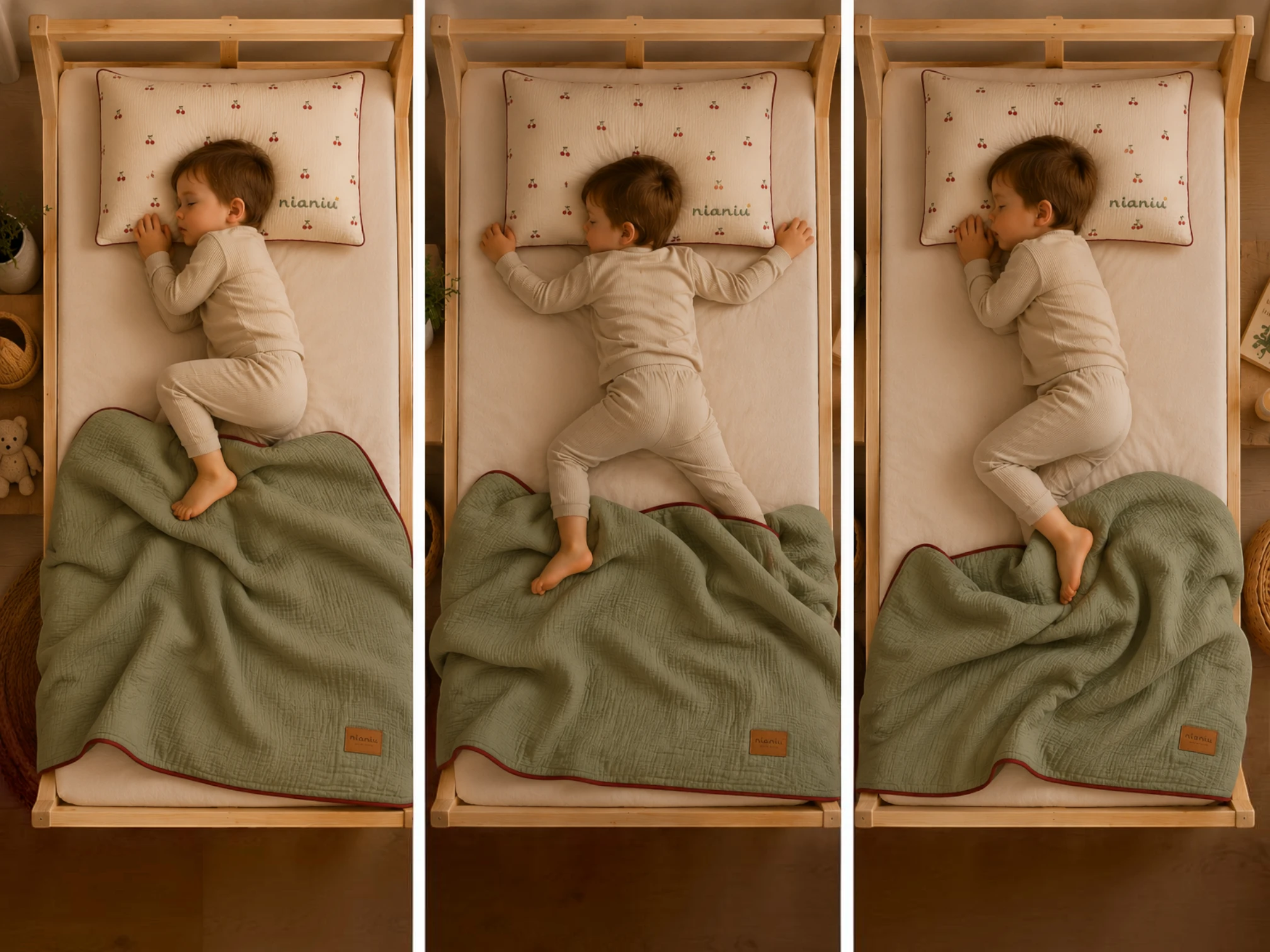
Child Moves During Sleep – many parents only notice it the next morning.

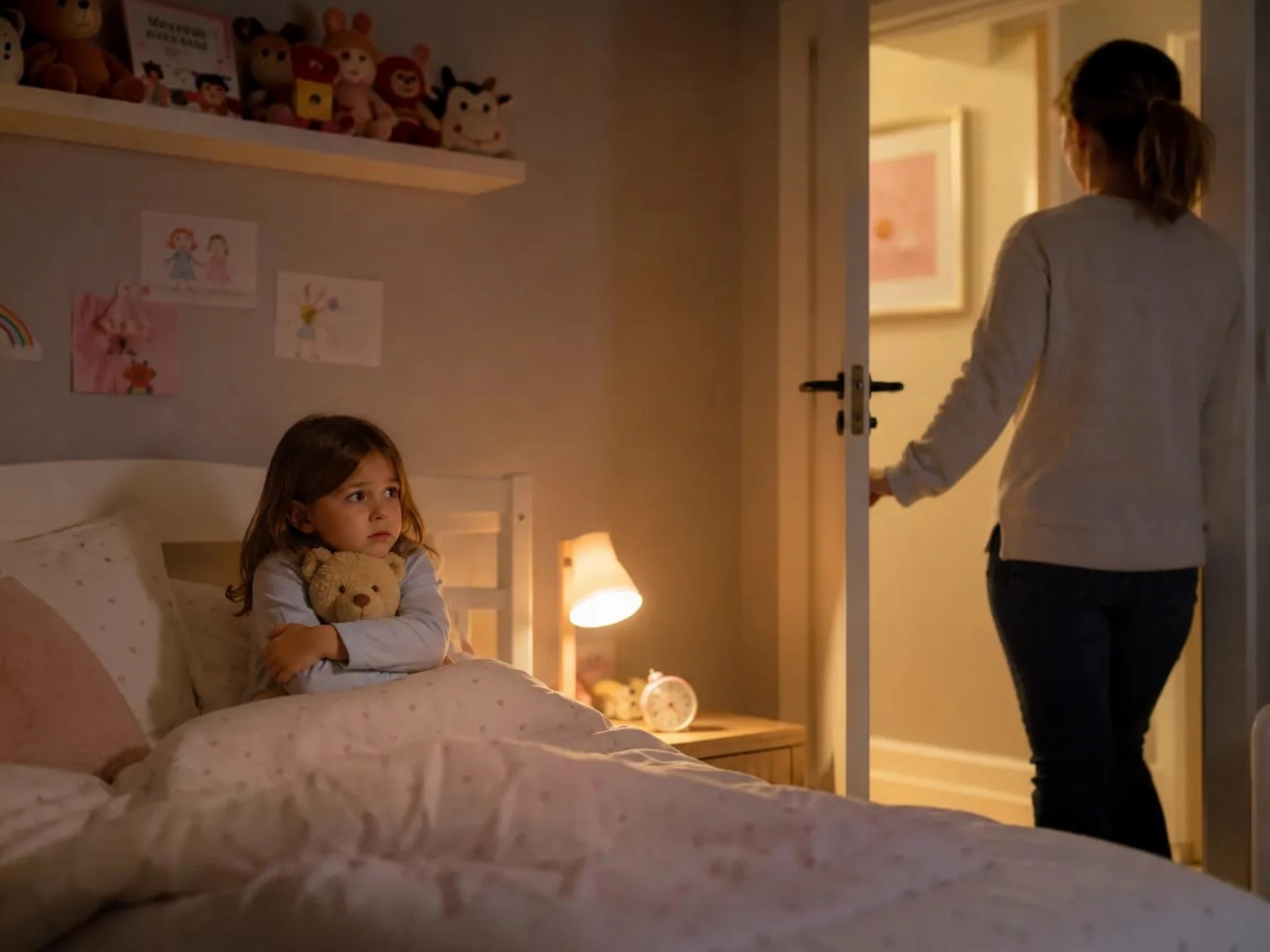
In the evening, your child finally falls asleep. But barely have you left the room when you hear:

“Mum, stay with me a little longer.”

This is everyday life for many families. Some children do not want to fall asleep alone; others wake during the night and seek the comfort of their parents. Others suddenly become afraid of the dark, even though falling asleep had previously been easy.

There can be many reasons why a child does not want to sleep alone — and it does not automatically mean that something is wrong.

The first step is to understand what lies behind this behaviour.

Only when parents understand the cause can they help their child feel safe and secure in their own bed.

Why doesn’t my child want to sleep alone?

The words “I don’t want to sleep alone” do not always mean fear. Children may find it difficult to fall asleep alone for many different reasons — and sometimes several occur at the same time.

The most common reasons include:

  • A need for closeness — as the many impressions of the day settle down in the evening, the need to be close to their parents can become particularly strong.
  • Fear of the dark — shadows, sounds around the house or objects that suddenly look different in the dark can stir a child’s imagination.
  • A vivid imagination — adults know that the monster under the bed is imaginary. The fear a child feels, however, is real.
  • Being used to falling asleep with a parent nearby — if Mum or Dad has always been there at bedtime, falling asleep without that company is a big change.
  • Changes in everyday life — starting nursery or school, moving home, a new sibling or even moving to another bedroom can temporarily increase the need for security.
  • Difficulty winding down after an exciting day — lots of experiences, feelings and activities can make it particularly difficult for a child to be alone with their thoughts in the evening.

The first step should therefore be to understand what your child needs at that moment, rather than explaining that there is “no reason to be afraid”.

What adults see as simply a dark bedroom can look very different in a child’s imagination.

“I don’t want to sleep alone” does not always mean: “I’m afraid.”
Sometimes it simply means: “I still need you a little right now.”

How can I help my child sleep alone?

Learning to sleep alone does not have to begin with suddenly saying:

“From today, you’ll fall asleep on your own.”

Many children find it easier to get used to the new situation gradually, while knowing that their parents are still there — even when they are no longer sitting right beside the bed.

What can help?

Establish a consistent bedtime routine.

Having a bath, putting on pyjamas, reading a story, cuddling and keeping bedtimes as consistent as possible give children a sense of security and predictability. They know what comes next and can prepare for it.

Gradually reduce how close you stay.

If your child has only ever fallen asleep with Mum or Dad beside them, everything does not have to change in one evening. You can start by sitting beside the bed, then move a little farther away and eventually sit by the door — until your presence is no longer needed for them to fall asleep.

Give them something familiar to take to bed.

A favourite cuddly toy, a cushion or a familiar blanket can become a regular part of the bedtime ritual and provide comfort.

Take their fears seriously.

Instead of saying, “There’s no need to be afraid,” it is often more helpful to ask: “What is making you feel afraid or uncomfortable here right now?” Sometimes, the child’s answer quickly reveals what could be changed.

Look at the bedroom from your child’s perspective.

Do unfamiliar shadows appear when the light is switched off? Can they see the way to the door? Would a gentle nightlight help them feel safer?

Let your child help create their sleeping space.

Choosing bedding, a favourite cuddly toy or a lamp, and creating a cosy area around the bed can help make their bed a place they enjoy returning to — rather than somewhere they have to stay alone.

The aim is to create conditions in which your child gradually comes to feel, “I am safe here,” rather than to teach them to manage without their parents.

Frequently asked questions

Is it normal that my child does not want to sleep alone?

Yes. Many children go through phases when they need more closeness and reassurance at bedtime. This may be linked to their development, new fears, changes in everyday life or a particularly intense period.

Should I stay with my child until they fall asleep?

If your child currently needs your closeness, you do not have to withdraw it suddenly. To encourage independent sleep, you can gradually reduce your presence — for example, by moving from the edge of the bed to a chair and eventually to the open bedroom door.

What can I do if my child is afraid of the dark?

Take the fear seriously and try to understand exactly what is worrying your child. A gentle nightlight, familiar surroundings or a favourite cuddly toy can help strengthen their sense of security.

How long does it take for a child to learn to fall asleep alone?

There is no fixed timeframe. Some children adapt quickly to a new bedtime routine, while others need considerably longer. Calm, consistent support matters more than speed.

Good to know

Wanting closeness in the evening is not automatically a “bad sleep habit”.

Learning to fall asleep independently is a developmental process — and children do not all reach this stage at the same time.

Our recommendation

Keep evenings as predictable and calm as possible. A familiar ritual, dimmed lighting, a favourite cuddly toy and a cosy sleeping space can help your child know what to expect.

If sleep behaviour changes suddenly or strong fears persist over time, it is worth looking more closely and seeking professional advice if necessary.

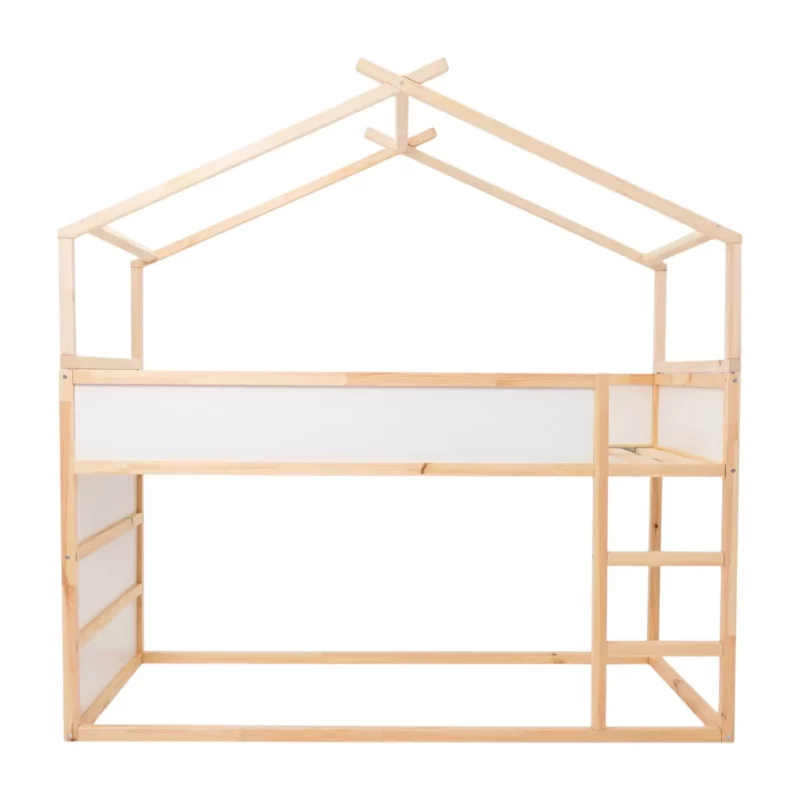
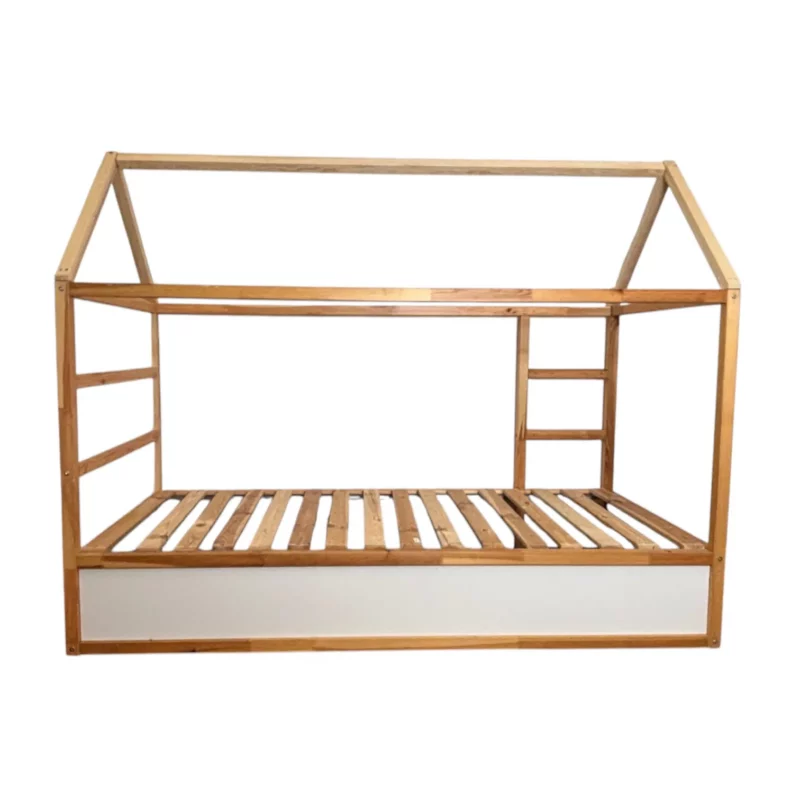
Suitable Solutions for Your IKEA KURA Bed

IKEA KURA House Bed Roof Starlight Plus in Wood

IKEA KURA wooden house bed roof Starlight Plus

IKEA KURA Bed House Roof Rainbow Plus

KEA KURA bed house roof Rainbow Plus

IKEA KURA Bed House Roof Children’s Bed Meadow Standard

IKEA KURA children’s bed house roof Meadow Standard